Industry
Exxon Mobil AR Case Study
Company
ExxonMobil
My Role
Designer
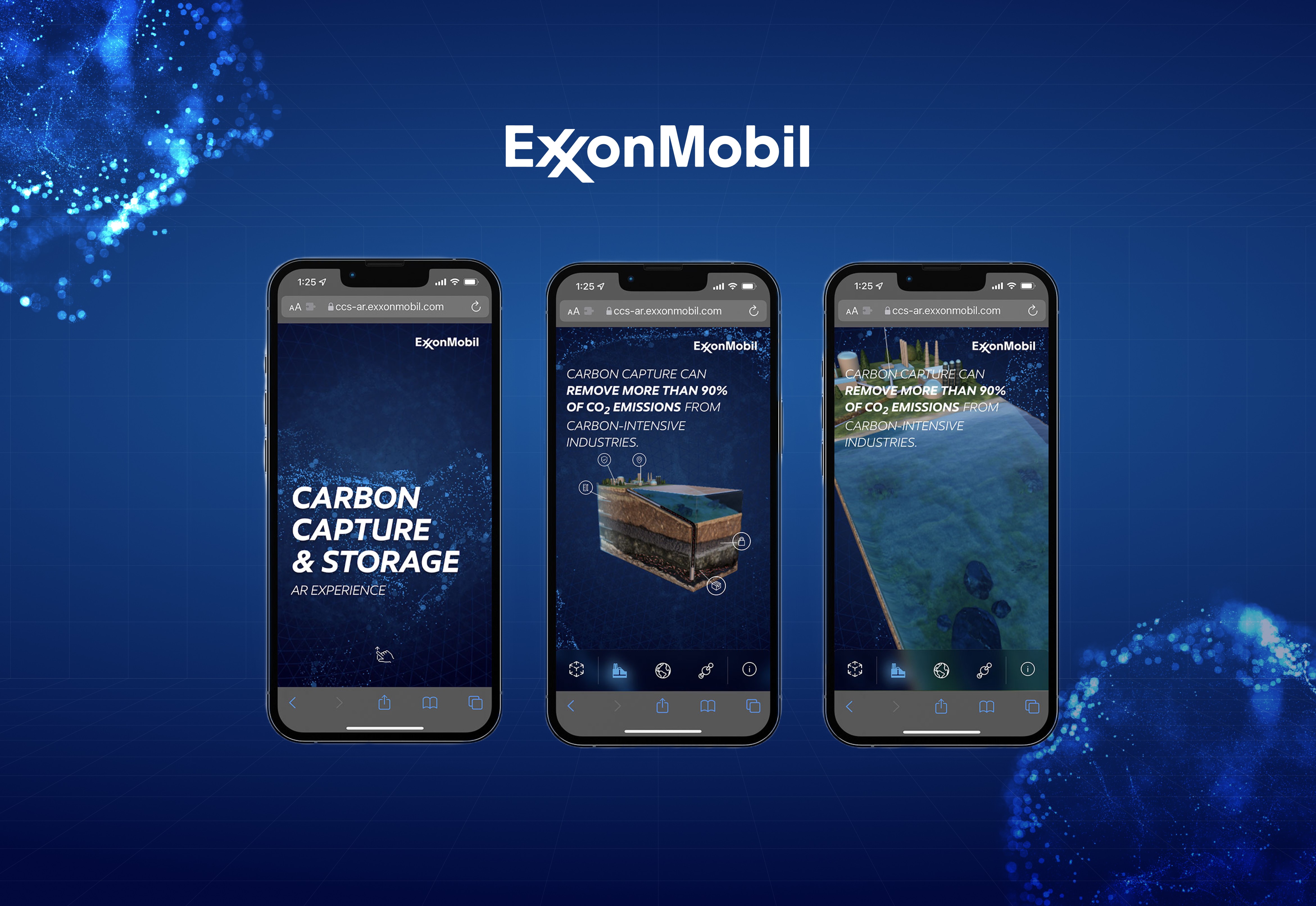
Before designing, I led a structured research phase to understand user expectations, AR trends, and brand perception.
Methods Used:
Market research on AR engagement trends
Competitive analysis of immersive brand experiences
User surveys and focus groups
Sentiment analysis of public perception
AR hardware and platform capability assessment
Key Findings:
Users wanted transparency around sustainability efforts.
Technical audiences wanted deeper operational insights.
General audiences preferred visual storytelling over text-heavy explanations.
Accessibility across devices was critical for adoption.
These findings shaped the experience direction: immersive, educational, transparent, and accessible.
From research, I developed three primary personas that guided both content strategy and interaction design:
Persona 1: Environmental Enthusiast
Motivation: Cares deeply about sustainability, carbon reduction, and environmental responsibility.
Needs: Clear proof of initiatives, measurable impact, and transparency.
Pain Point: Distrust toward large energy companies due to lack of visible, understandable information.
Persona 2: Innovation & Technology Explorer
Motivation: Fascinated by engineering, emerging technology, and large-scale systems.
Needs: Detailed operational insights, technical depth, and real data.
Pain Point: Oversimplified marketing content that lacks substance.
Persona 3: General Business Stakeholder
Motivation: Interested in understanding ExxonMobil’s broader business, products, and global operations.
Needs: Clear, structured explanations without technical overload.
Pain Point: Complex terminology and fragmented information across channels.
I mapped end-to-end user journeys for each persona to identify key touchpoints where AR could replace static explanations with interactive storytelling. This ensured the experience balanced transparency, depth, and simplicity depending on user intent.
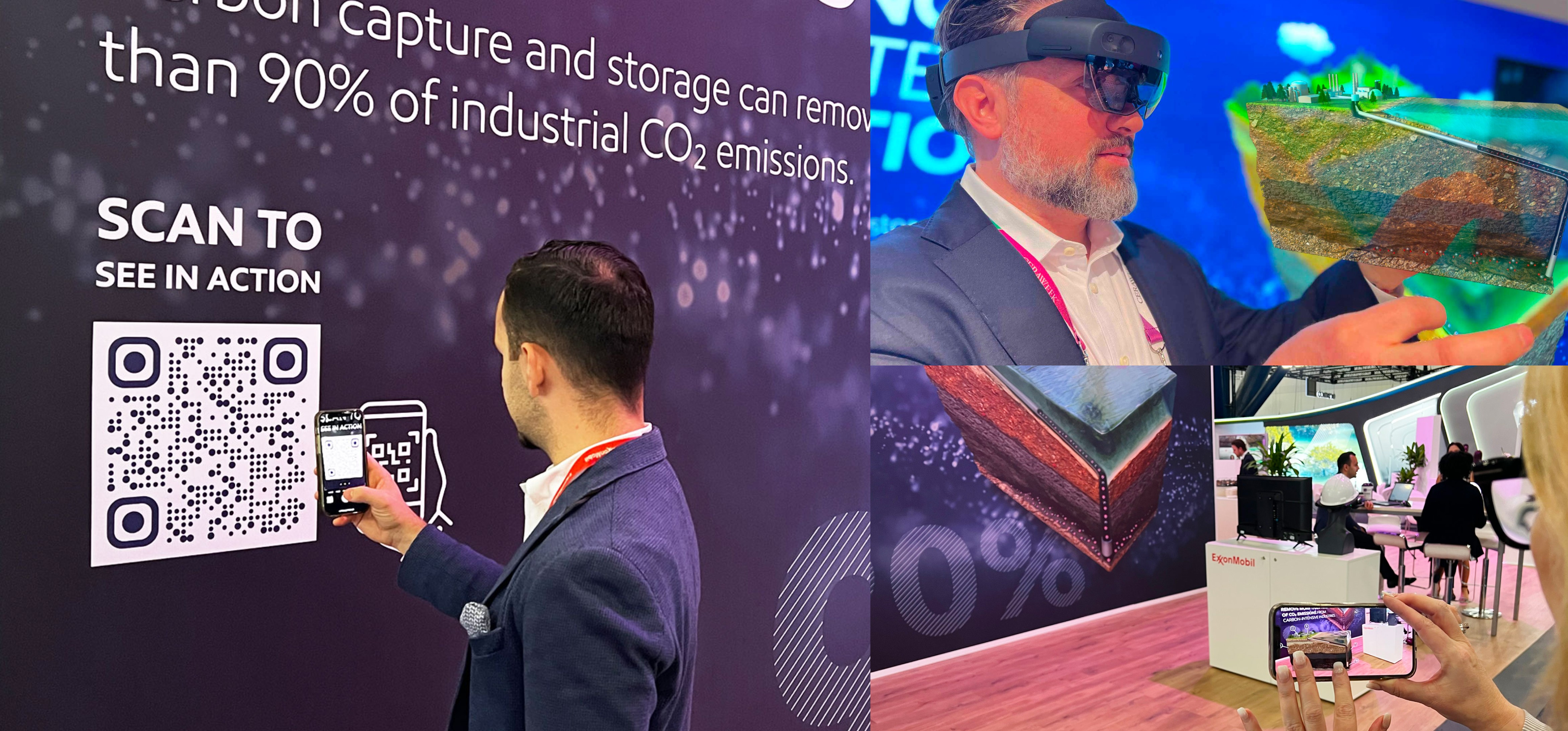
I moved from problem to solution through structured design iterations.
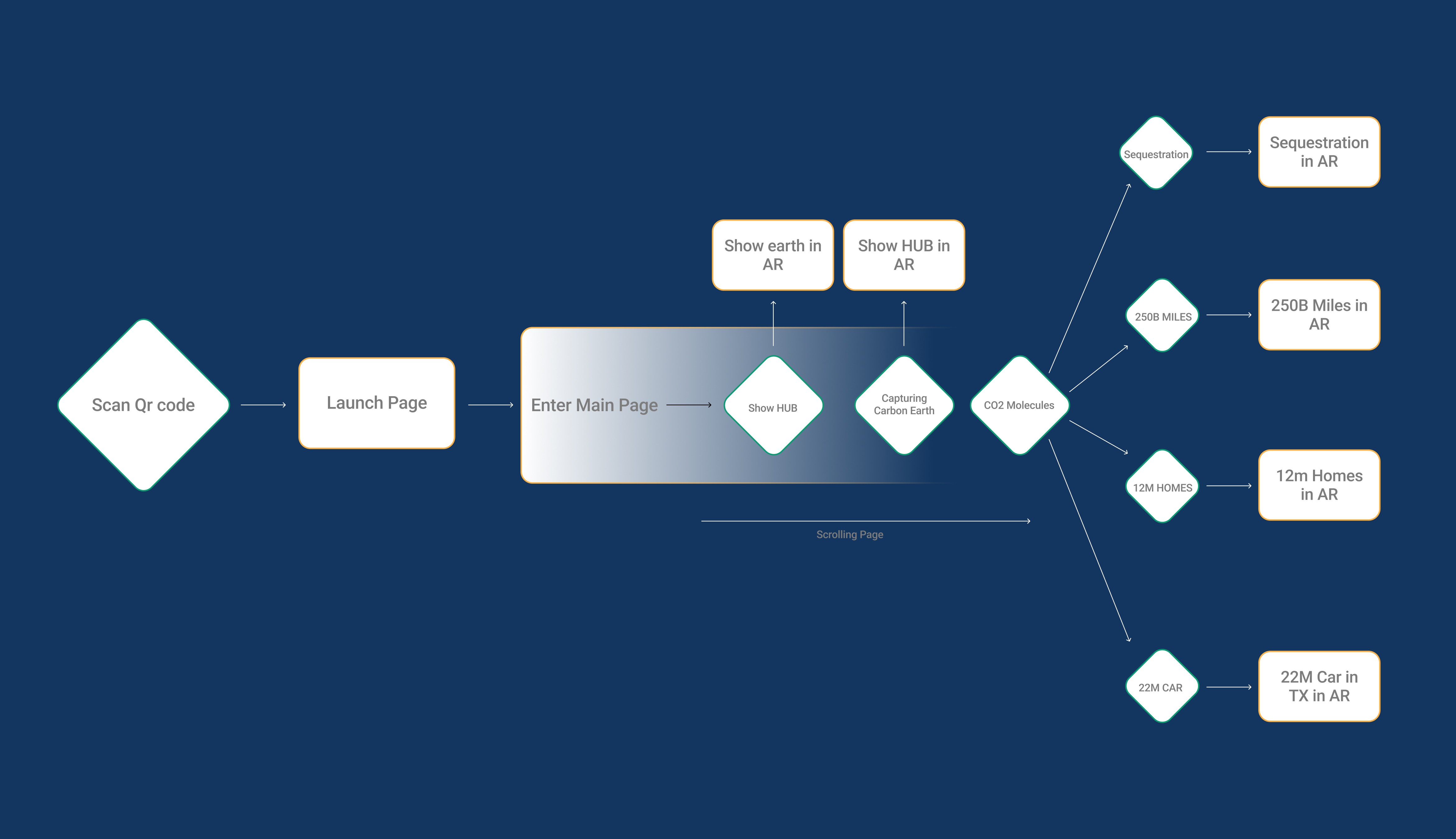
Phase 1: Information Architecture
I simplified complex technical content into modular AR scenes — each focused on one topic (innovation, sustainability, operations).
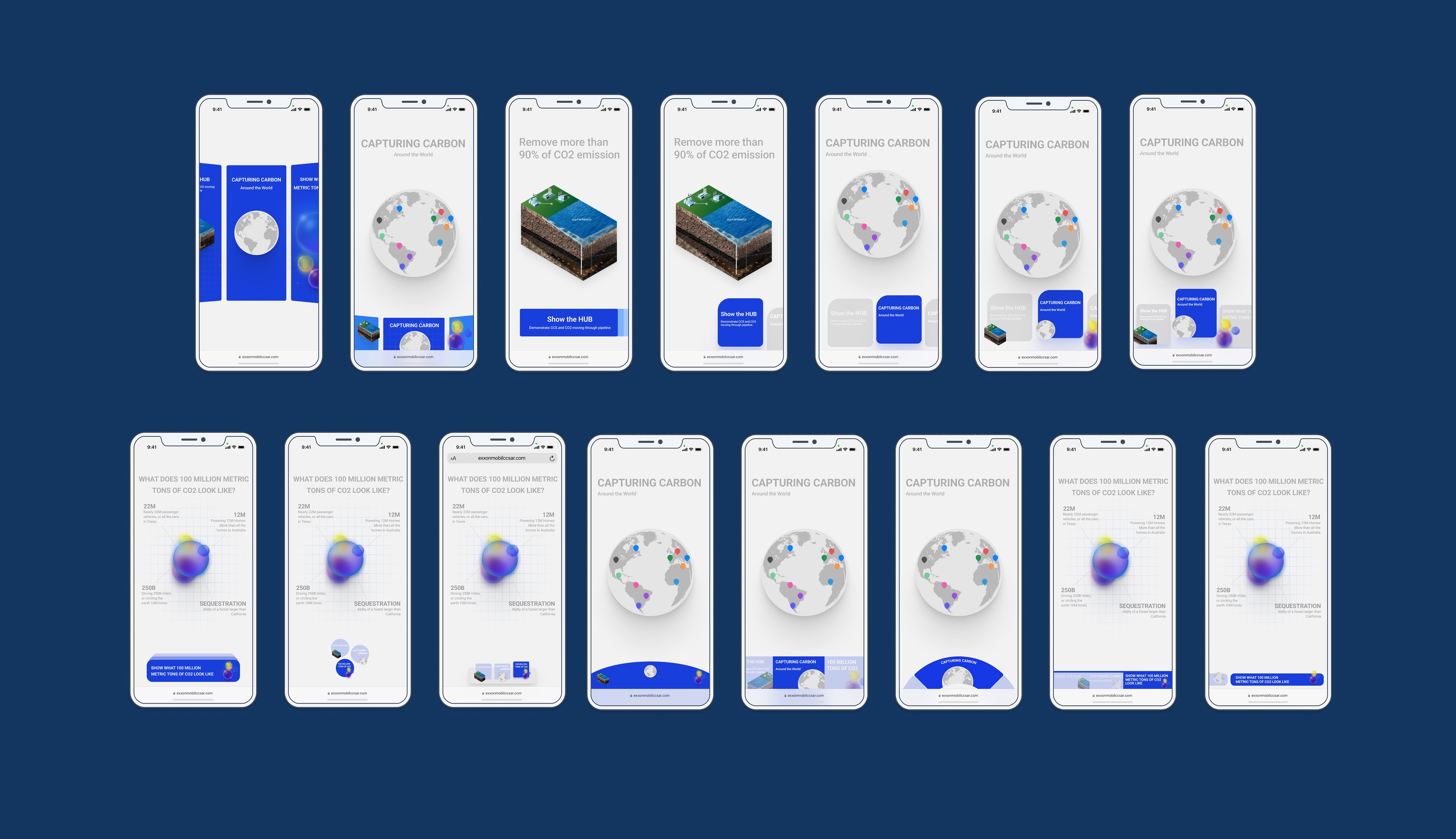
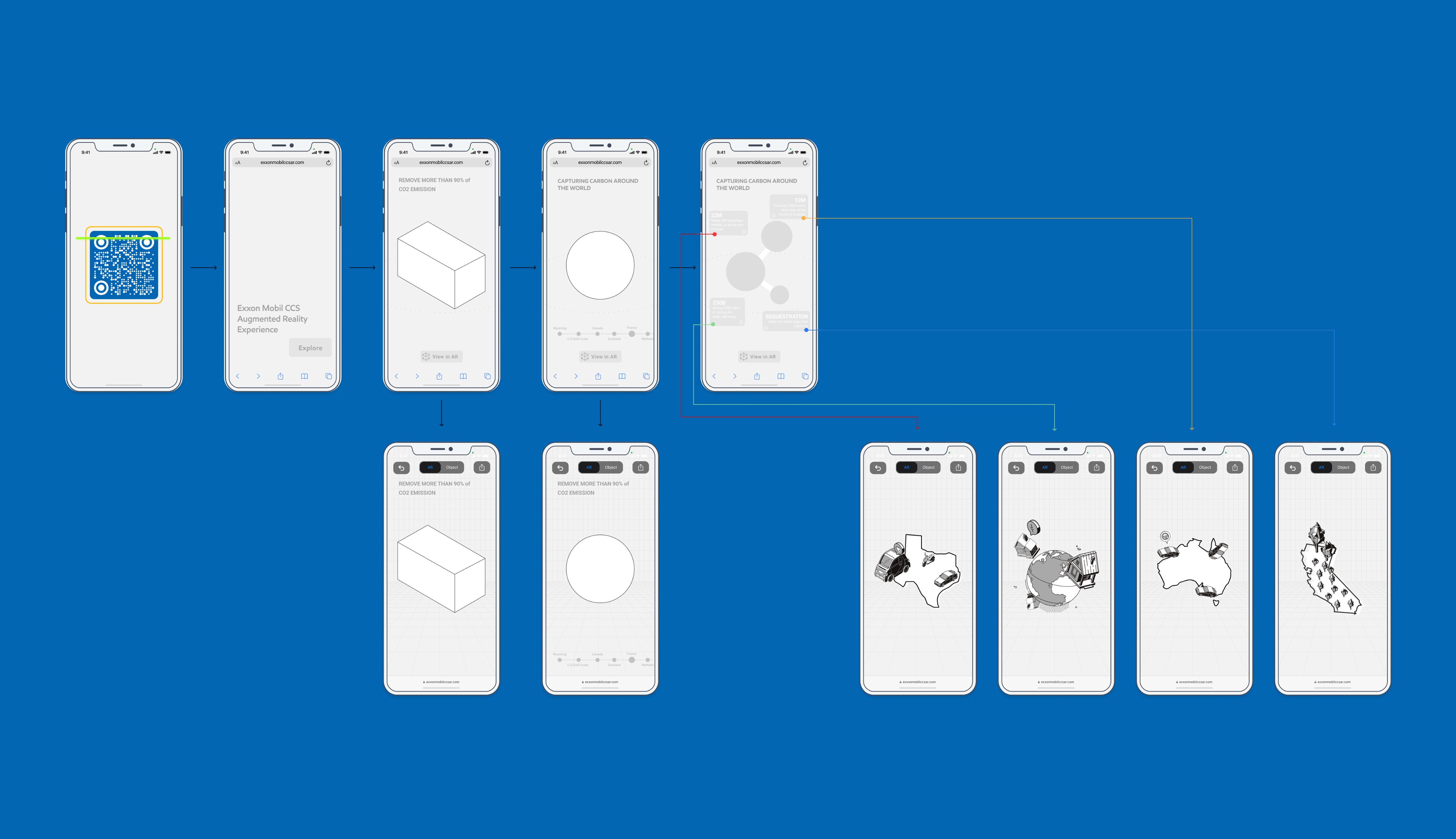
Phase 2: Low-Fidelity Exploration
I created sketches and lo-fi wireframes in Figma to define navigation flows, AR triggers, and content hierarchy.
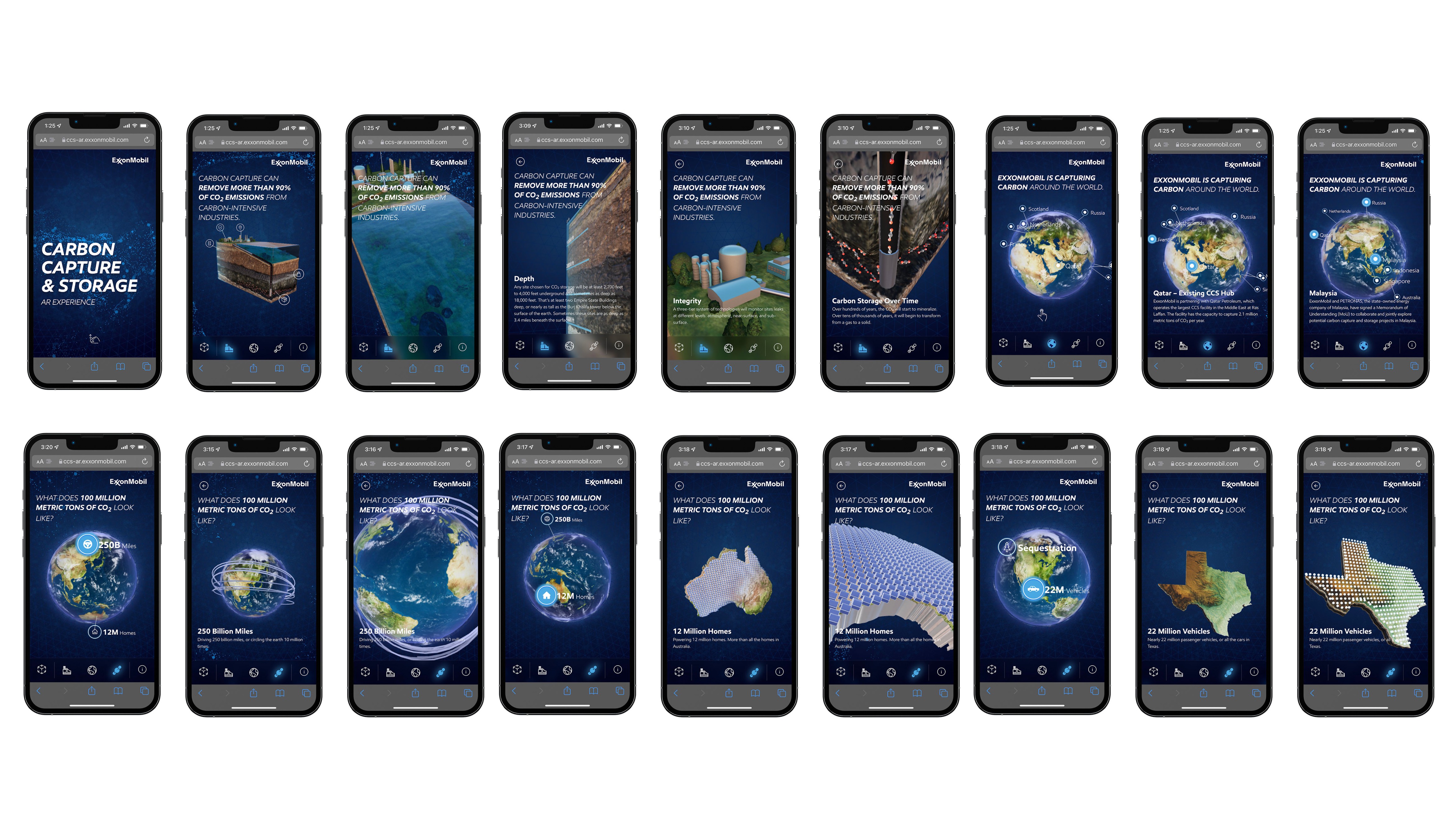
Phase 3: High-Fidelity UI & 3D Integration
Using Figma at an expert level, I designed scalable UI components optimized for AR overlays. I defined spacing systems, typography hierarchy, motion transitions, and interaction patterns to ensure clarity within immersive environments.
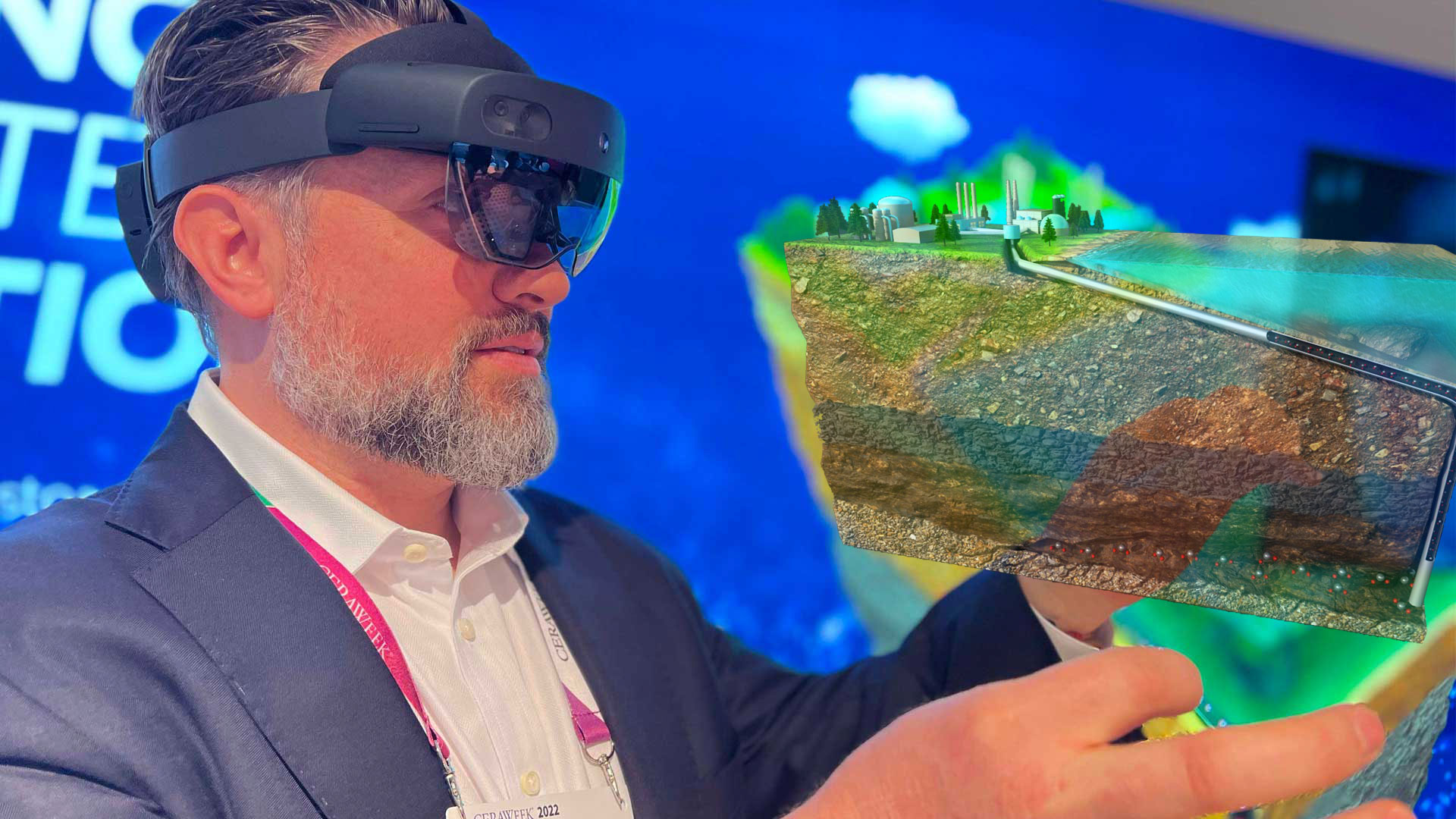

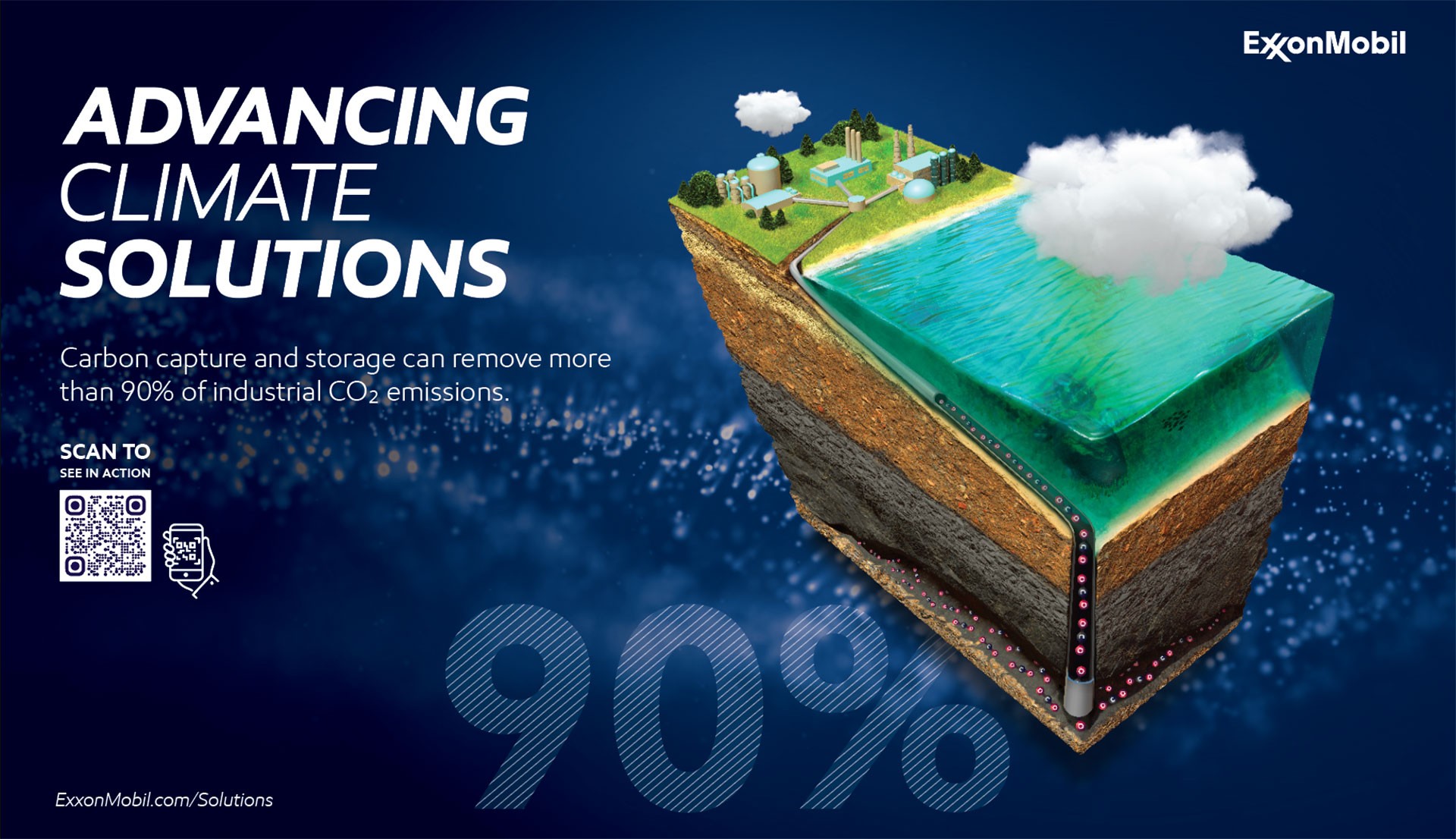
Increased user engagement with sustainability content
Positive stakeholder feedback on clarity and innovation
Improved brand perception through transparency and interactivity
Demonstrated AR as a powerful storytelling tool for complex industries
While long-term analytics continue to evolve, early feedback confirmed higher interaction rates compared to traditional digital content.
This project reinforced the importance of simplifying complexity — especially when working with emerging technologies like AR.
I learned that immersive design must still follow core UX principles: clarity, structure, and user control.
If iterating again, I would integrate deeper personalization and adaptive content flows based on user behavior.
This project strengthened my ability to design at scale, communicate complex systems visually, and collaborate across multidisciplinary teams to bring innovative experiences to life.