Oxefit — Training made smarter
Oxefit — Training made smarter
Transforming Smart Fitness: Designing a High-Performance Experience for OxeFit’s XS1 Training System
Transforming Smart Fitness: Designing a High-Performance Experience for OxeFit’s XS1 Training System
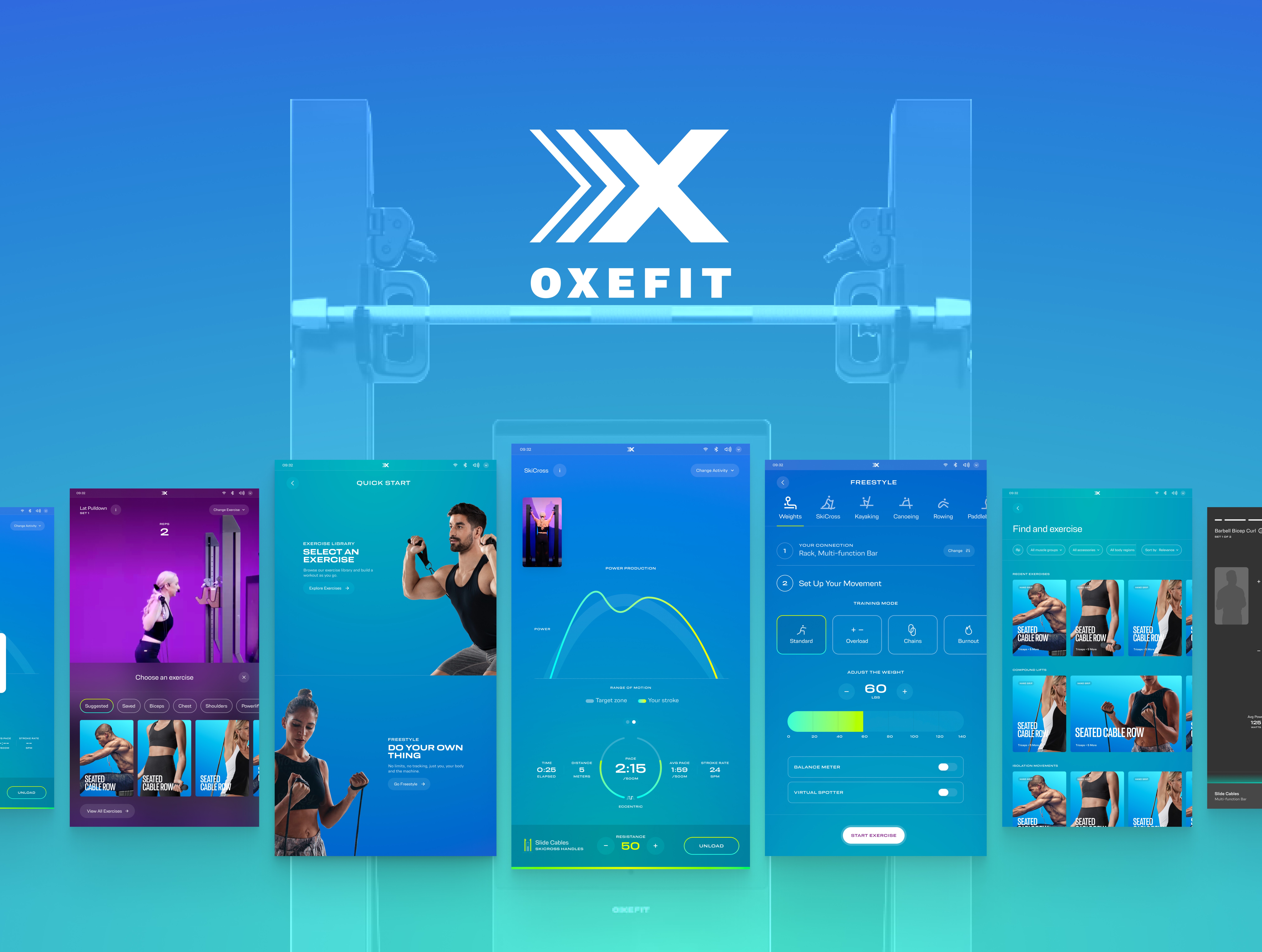
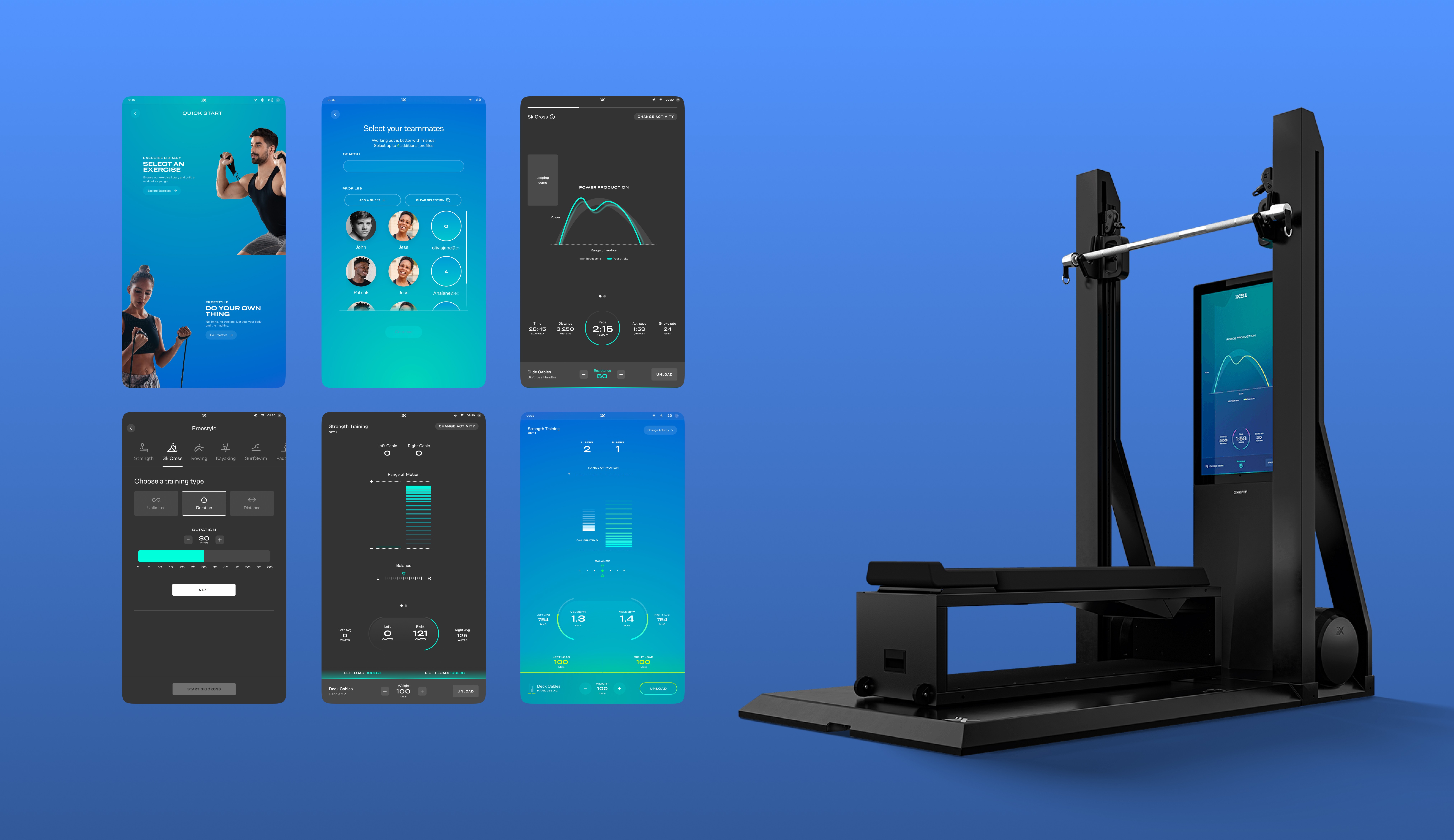
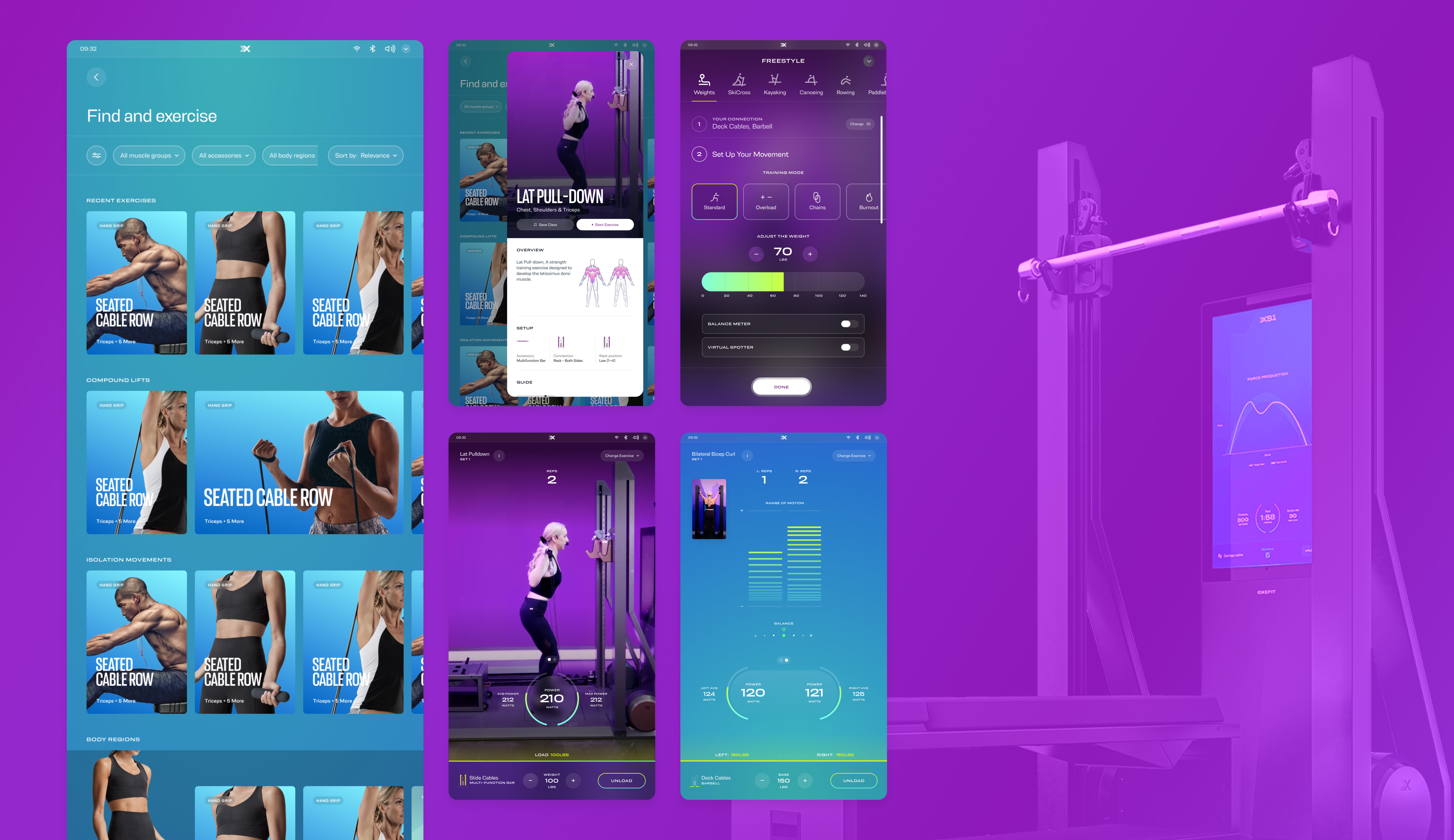
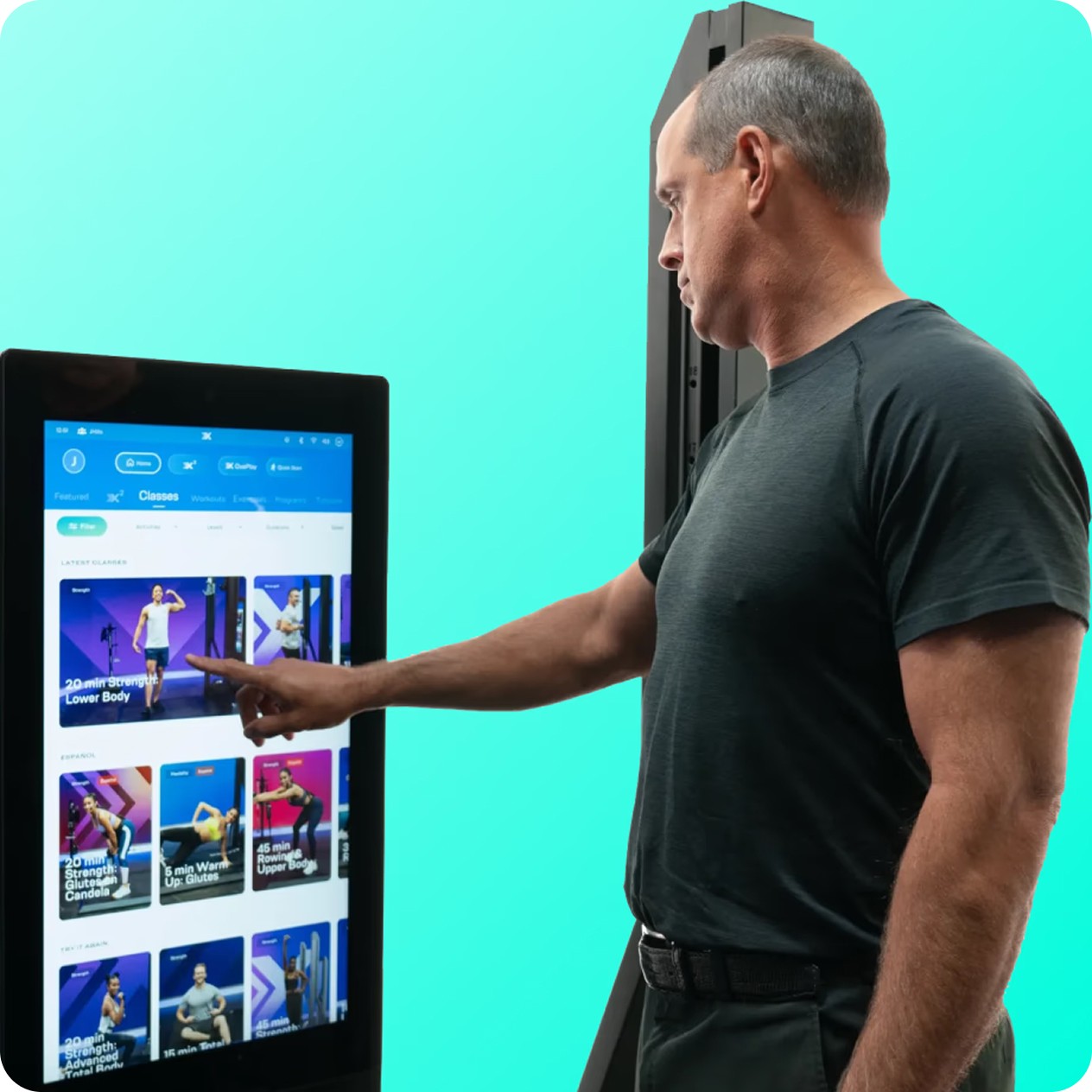
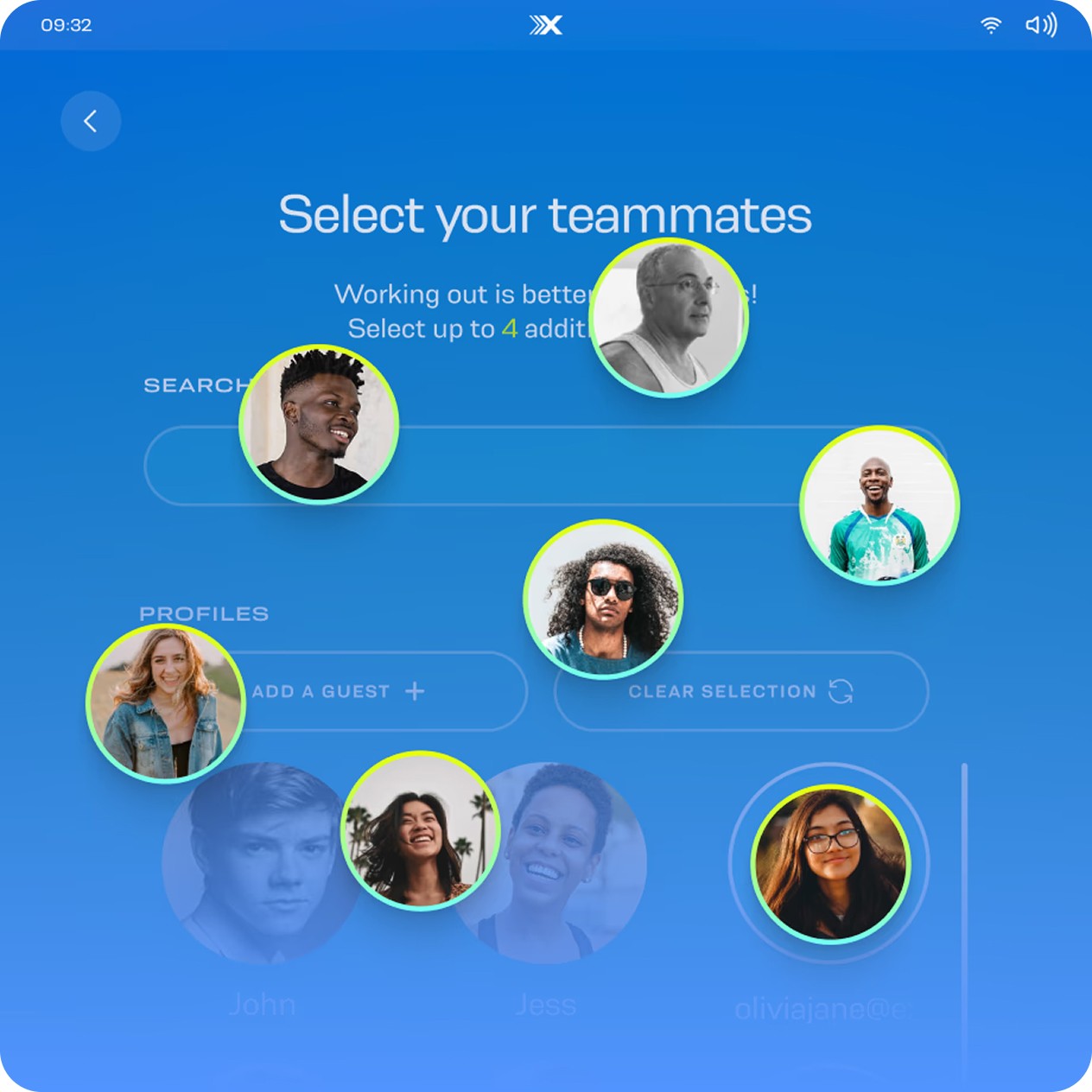
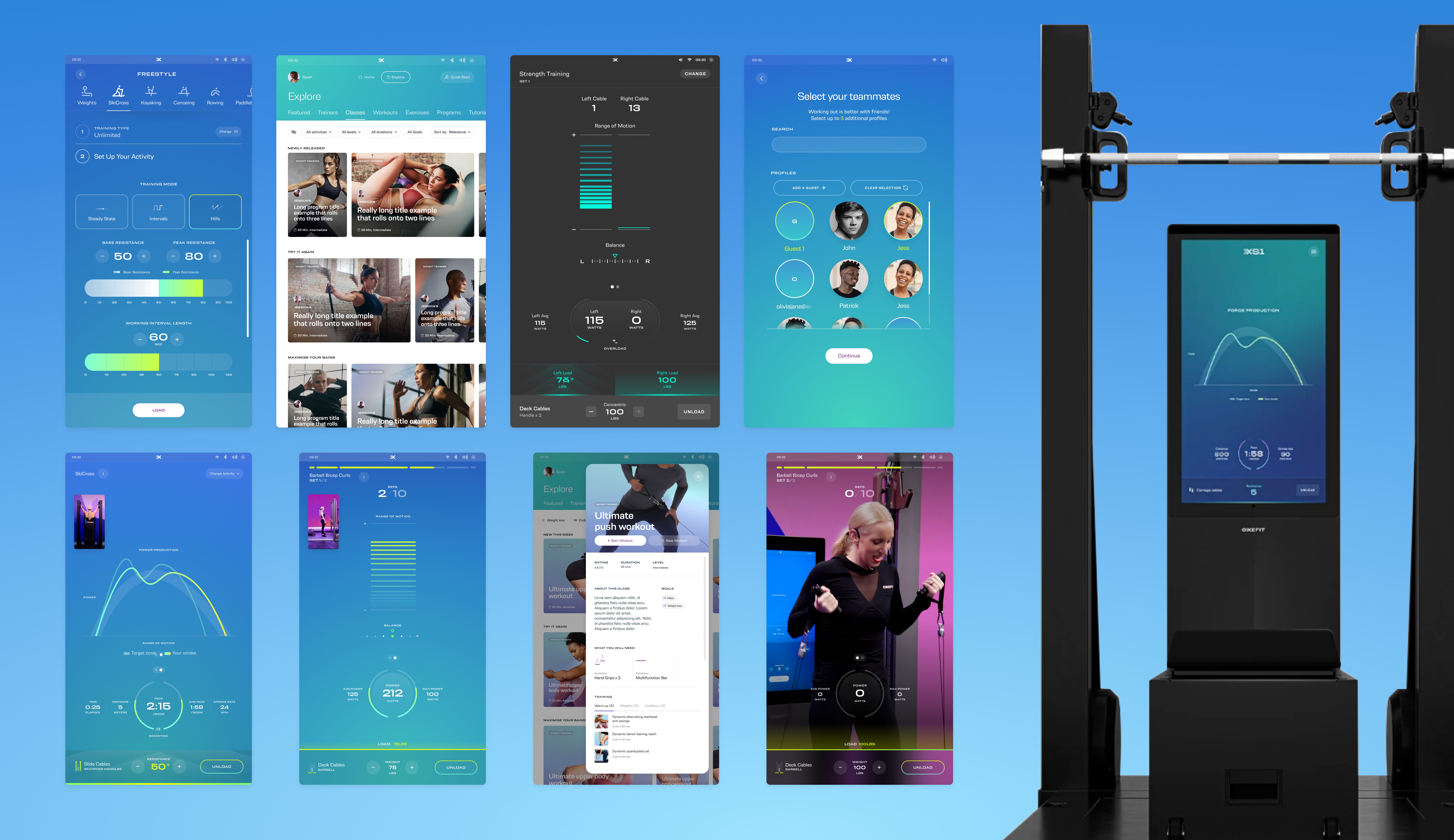
OxeFit builds the XS1, a smart home training system combining hardware, software, and advanced performance tracking. I was responsible for designing new product features across both the machine interface and companion mobile app, simplifying complex fitness data into a clear, motivating, and scalable user experience.
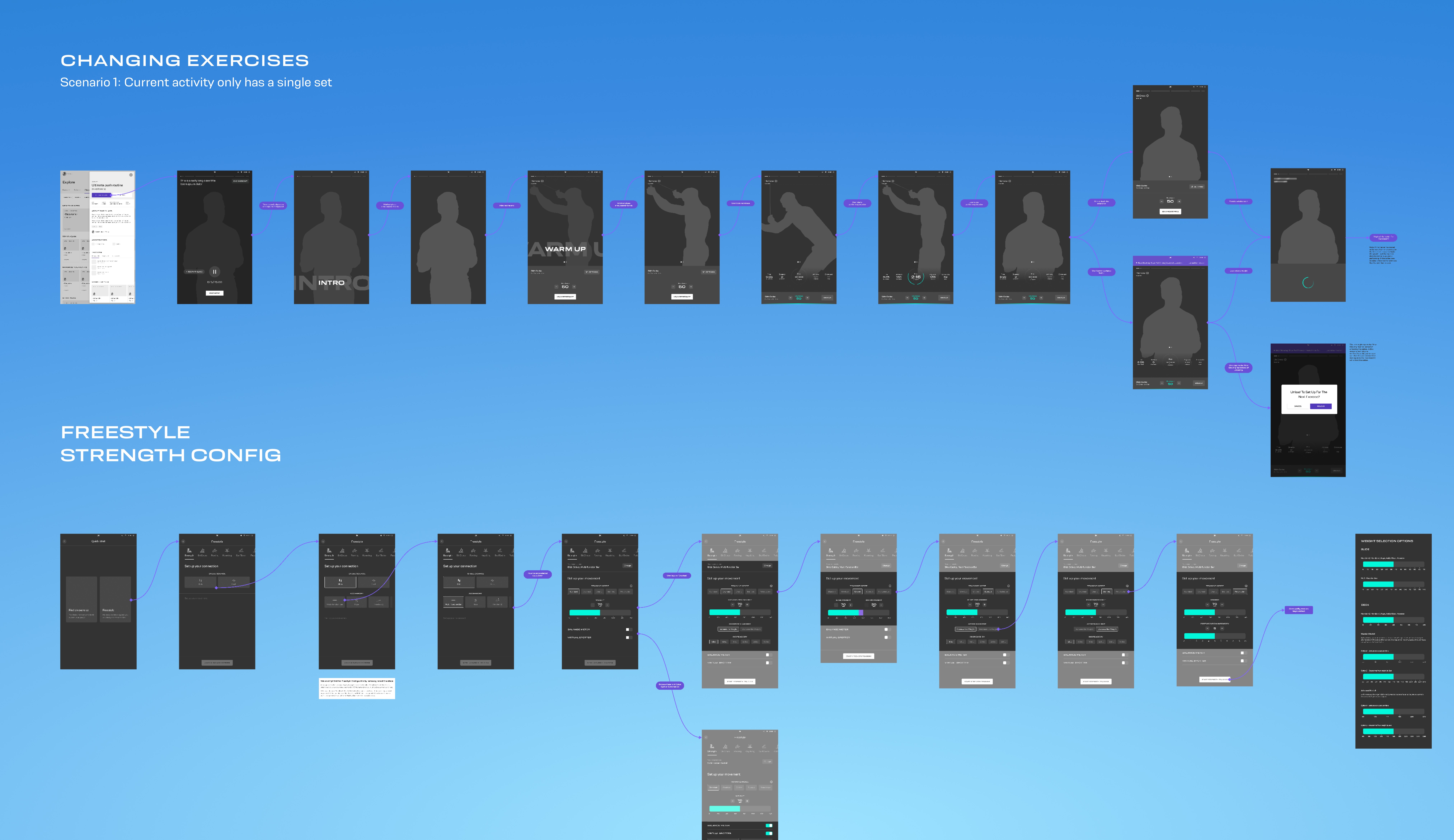
Led UX and UI design for new feature expansion across OxeFit’s XS1 smart gym system. Owned the full design lifecycle — research, strategy, user flows, high‑fidelity UI, prototyping, and QA — ensuring pixel‑accurate implementation through close daily collaboration with engineering.
OxeFit builds the XS1, a smart home training system combining hardware, software, and advanced performance tracking. I was responsible for designing new product features across both the machine interface and companion mobile app, simplifying complex fitness data into a clear, motivating, and scalable user experience.
Led UX and UI design for new feature expansion across OxeFit’s XS1 smart gym system. Owned the full design lifecycle — research, strategy, user flows, high‑fidelity UI, prototyping, and QA — ensuring pixel‑accurate implementation through close daily collaboration with engineering.
The XS1 generates advanced strength and performance metrics. While powerful, the data could easily overwhelm users during workouts.
The challenge: How do we present high‑level athletic data in a way that feels clear, motivating, and actionable — without reducing its depth?
Users included professional athletes, everyday fitness users, and instructors. As a professional sportsman myself, I understand how performance feedback influences focus and motivation. Clarity during effort is critical.
To design effectively, I grounded decisions in real usage.
Conducted interviews with fitness instructors
Observed live training sessions
Reviewed competitor products (Tonal, Peloton, connected fitness systems)
Performed UX and heuristic evaluations of existing flows
Key insight: Not all metrics matter at the same moment. During workouts, users need clarity. After workouts, they want depth.
This shaped a layered information strategy.
While respecting OxeFit’s brand foundation, I evolved the color system to reflect modern fitness trends:
Strong contrast for readability during motion
Clear metric hierarchy
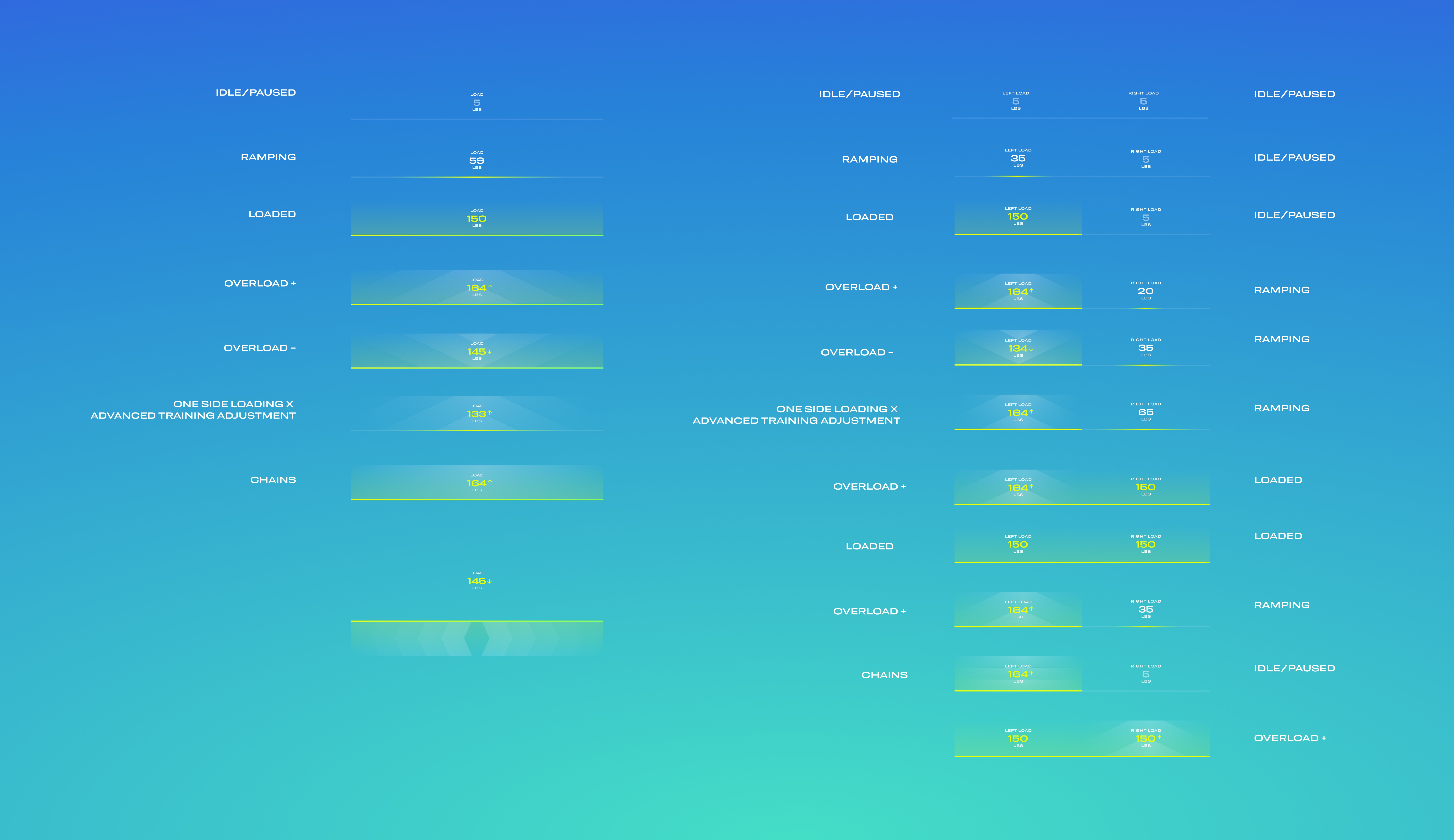
Distinct states (active, rest, warning, achievement)
Designed scalable UI components for both machine and mobile.
Delivered:
Clear real‑time performance interface
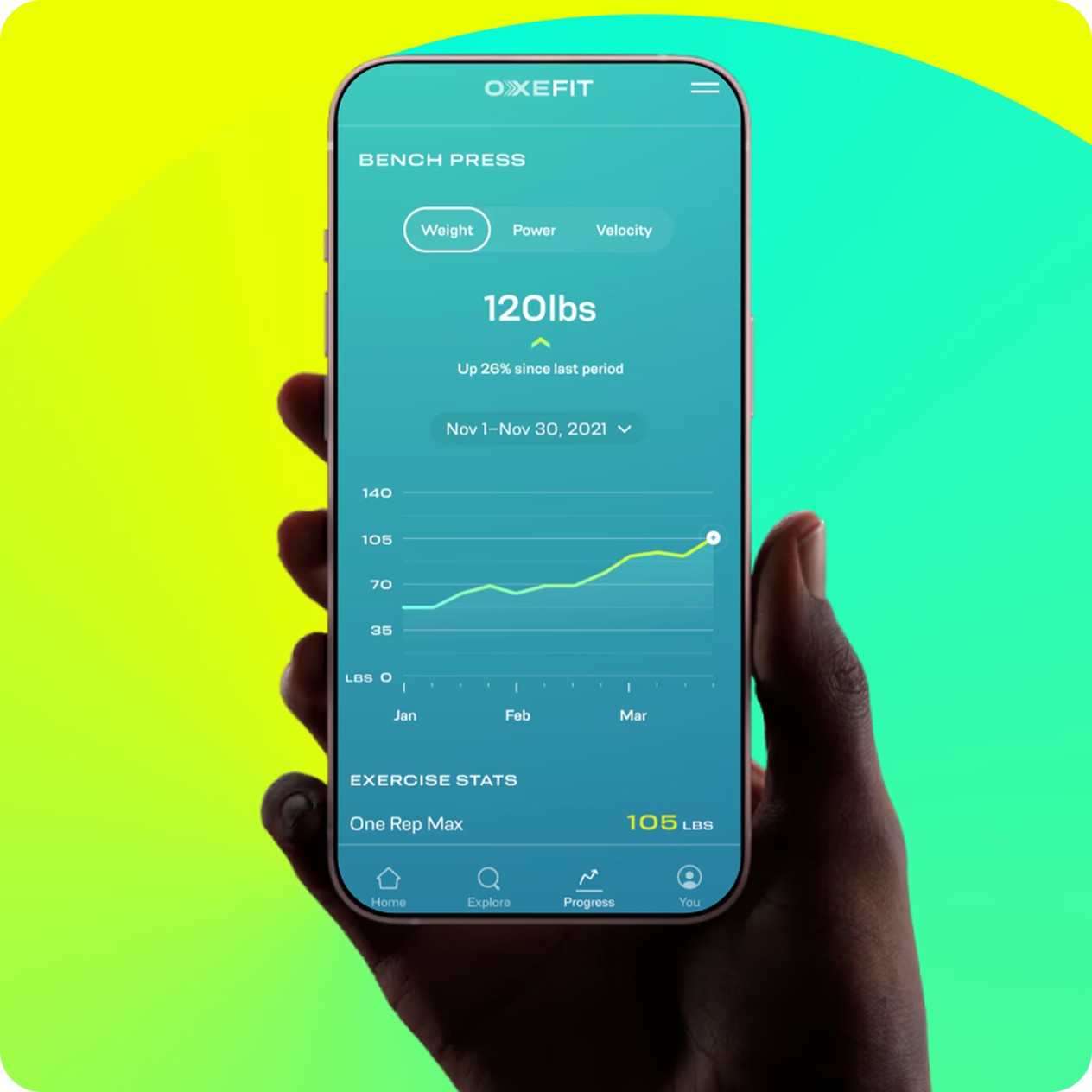
Layered analytics across platforms
Modernized visual energy aligned with sports trends
Scalable UI system for future feature growth
Complex performance data became structured, readable, and motivating.
Although quantitative metrics were not formally tracked, feedback from fitness instructors and stakeholders was highly positive.
Instructors reported:
Improved clarity during sessions
Easier explanation of performance metrics
Reduced confusion for users
Internally, the structured design system improved development efficiency and consistency.
This project reinforced a core belief:
Great fitness design is not about showing more data — it’s about showing the right data at the right time.
As both a designer and an athlete, I design with performance empathy. And as a product designer, I ensure execution matches intention.
If extended further, I would explore adaptive metric personalization based on training level and user behavior.